
The importance of carbon capture and storage technology

Carbon capture and storage (CCS) is a technology that captures carbon dioxide (CO2) emissions from power plants and industrial processes before they are released into the atmosphere and then stores the CO2 in underground geological formations. This technology is seen as one of the most promising ways to reduce greenhouse gas emissions and mitigate the impacts of climate change. As more and more businesses are looking for ways to become more sustainable, carbon capture and storage is an important consideration. In this blog post, we’ll discuss why CCS is important and how it can help businesses to become more sustainable.
6 trends that will define food production in 2023
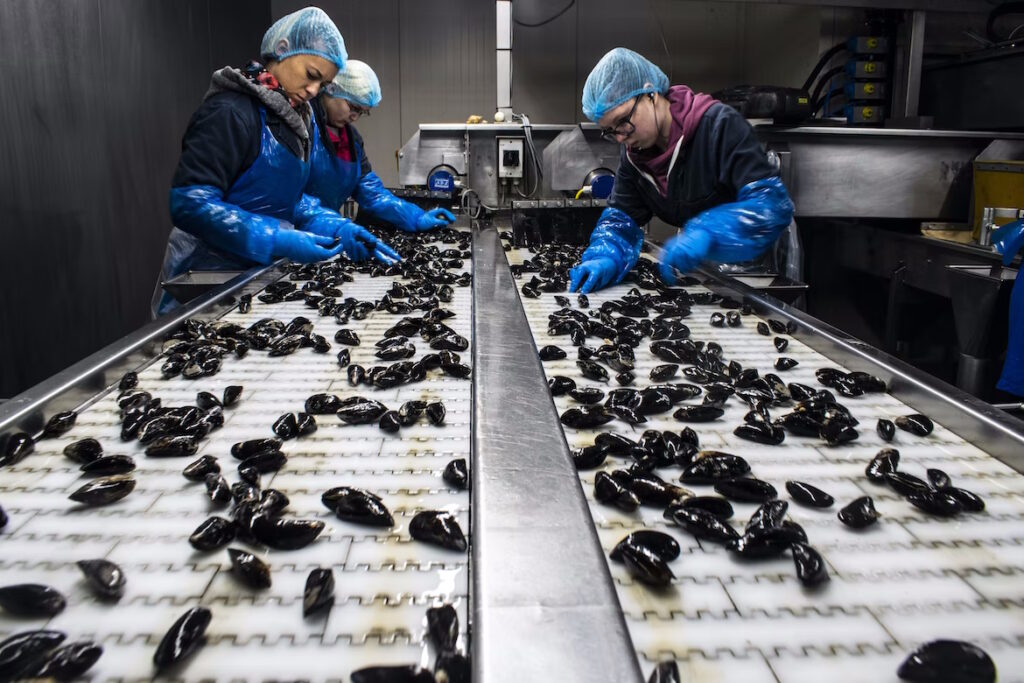
Like most energy-intensive industries, food and beverages need to be extra careful going into this year. With energy prices soaring and dropping regularly, it can be hard to make long-term plans. Companies need to consider production from a variety of perspectives, including cost, emissions, and even waste.
Six trends the food and beverage industry needs to keep in mind this year

The food and beverage industry is constantly evolving and adapting to the changing tastes and preferences of consumers. As we enter a new year, it’s essential for companies in this industry to stay on top of the latest trends in order to remain competitive. In this post, we’ll be discussing eight key trends that the food and beverage industry should keep in mind for 2023.
Warm weather and viable alternatives help drive down natural gas prices
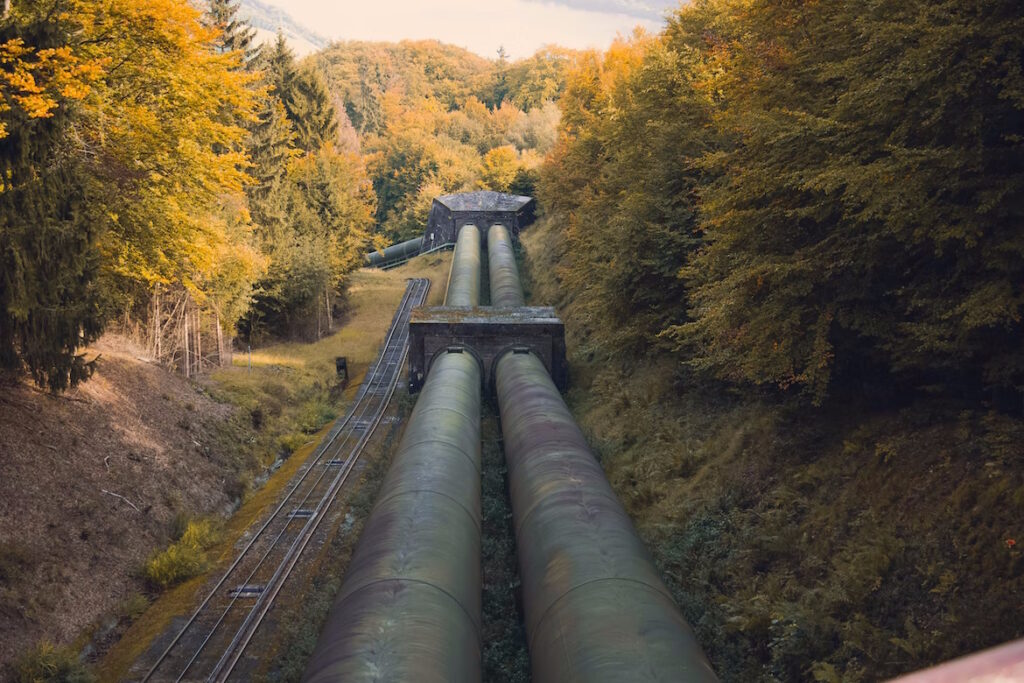
The war in Ukraine has had some impact on natural gas prices, particularly in Europe. Ukraine is a major transit country for natural gas from Russia to Europe, and disruptions to gas supplies through Ukraine have occurred in the past as a result of the conflict. When these disruptions happen, it can lead to concerns about the reliability of gas supplies in Europe, which can cause prices to rise. Additionally, the war has led to sanctions between Russia and other countries, which can also impact the price of natural gas.
How to cut carbon in your food packaging

The food industry is a significant contributor to greenhouse gas emissions, which are a major cause of climate change. As many countries around the world are committing to net-zero emissions and are putting in place regulations and taxes to help achieve that goal, companies that reduce their carbon footprint now will be in a better position to meet those regulations and avoid paying unnecessary taxes. Being seen as a responsible and sustainable company can enhance the reputation and branding of a food company. This can lead to more positive public perception, a more loyal customer base, and a more attractive investment proposition.
How the EU manages to keep carbon emissions down even with a return to coal

The European Union (EU) has made a commitment to reducing its carbon emissions in order to combat climate change. This commitment is reflected in the EU’s climate and energy policies, which have been put in place to promote the use of renewable energy sources and energy efficiency and reduce the EU’s dependence on fossil fuels.
With that in mind, it is somewhat surprising, that in parts of the EU, coal-burning plants have been switched back on.
How and why companies should limit GHG emissions across their entire supply chain

The push to decarbonize, together with the new requirements to disclose scope 3 emissions mean that companies need to take their value chains seriously. Businesses should learn from their peers, adopt best practices, and avoid pitfalls.
How to Reduce Scope 3 Emissions

Scope 3 emissions are those that are a result of a company’s activities, but are not directly controlled by the company. These emissions can be challenging for companies to track and manage, but there are a few things that companies can do to keep track of and limit their scope 3 emissions.
Why HVAC/R technicians should consider the food and beverages industry

working in the food industry can be a rewarding and challenging career choice for HVAC technicians. It can provide job stability, the opportunity to develop specialized skills, and potential career advancement opportunities.
The EU’s largest energy storage facility starts operations in Belgium
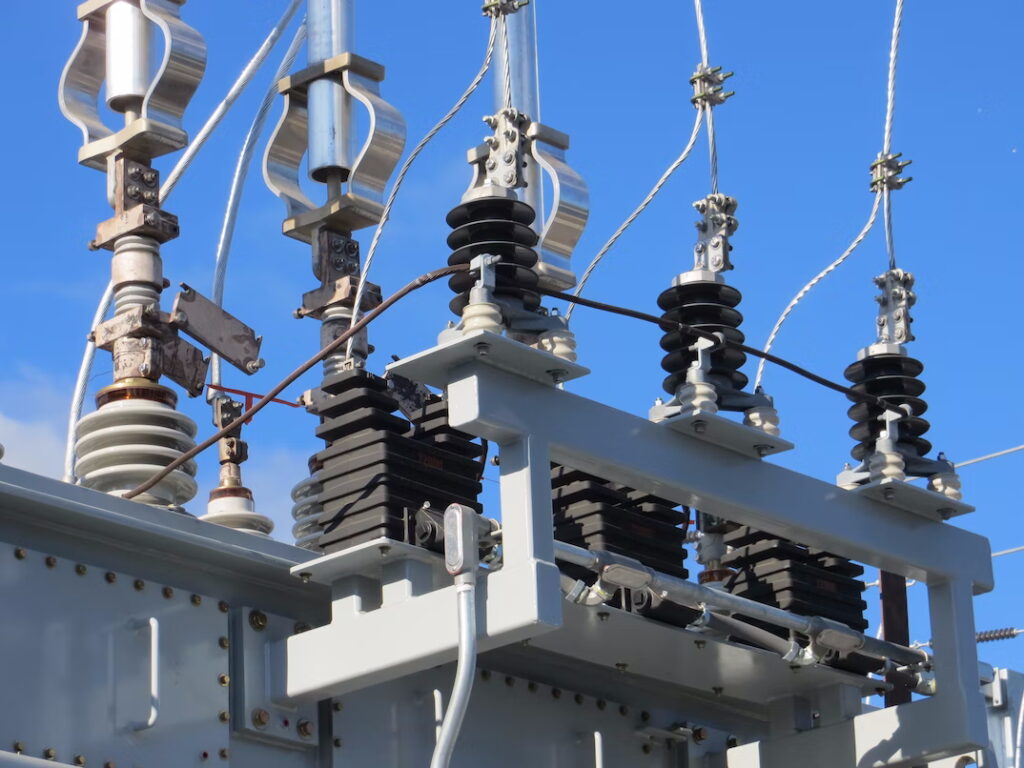
In December, Corsica Sole opened the largest energy storage facility in Europe, with a capacity for 100 MWh of electricity. It features forty lithium-ion mega-batteries, at the cost of €800,000 a unit. After the battery’s 10-year lifespan is over, it will be recycled. The center is a vital step in the European Union’s road to decarbonization and energy independence.