
The European Parliament agrees all new vehicles in EU to be zero emission by 2035
In a landmark decision, the European Parliament has agreed that all new vehicles sold in the European Union will have to be zero-emission by 2035. This ambitious move is part of the EU’s broader plan to reduce carbon emissions and combat climate change. The decision has been praised by environmental activists, who see it as a significant step towards a more sustainable future. However, it has also raised concerns among some car manufacturers who may struggle to meet the new requirements. In this blog post, we will explore the implications of this decision, what it means for the future of transportation in Europe, and how it will impact the automotive industry as a whole.
The net-zero transition: What it could cost, what it could bring

The world is facing an urgent need to reduce carbon emissions and mitigate the impacts of climate change. One of the most ambitious goals in this regard is achieving net-zero carbon emissions, which means balancing the number of greenhouse gases produced with an equal amount removed from the atmosphere. The transition to net-zero will require significant changes to the way we generate and consume energy, as well as to our transportation, agriculture, and manufacturing systems. But what would be the cost of such a transition, and what benefits could it bring? In this blog post, we will explore the potential costs and benefits of the net-zero transition, and what it could mean for the future of our planet.
What hydrogen fuel cell technology might mean for sustainable infrastructure?

As the world moves towards a more sustainable future, businesses are increasingly looking for ways to reduce their carbon footprint and operate in an environmentally responsible manner. Hydrogen fuel cells offer a promising solution to this challenge, potentially powering a range of industrial and commercial applications while reducing harmful emissions. This post will explore the key benefits of hydrogen fuel cells for businesses, including cost savings, operational efficiencies, and enhanced sustainability.
The EU proposes a 90% emissions reduction for heavy-duty trucks over the next two decades
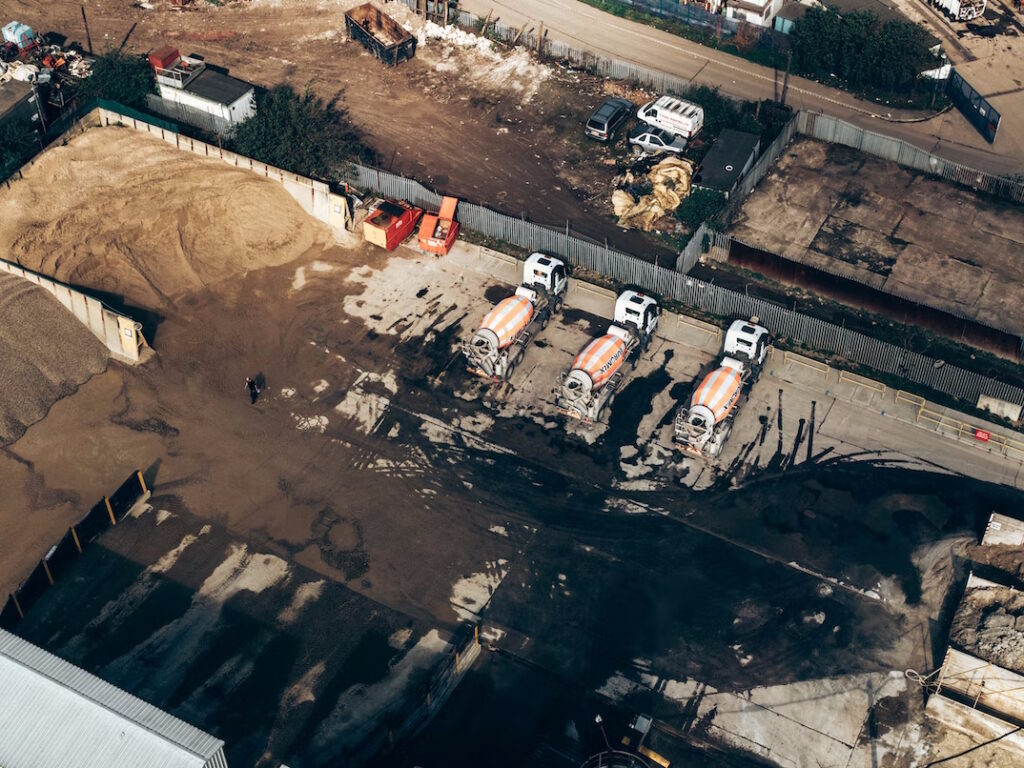
The European Union has set ambitious targets to reduce greenhouse gas emissions, with the goal of achieving net-zero emissions by 2050. As part of these efforts, the European Commission has proposed a 90% reduction in emissions from heavy-duty trucks by 2050. This proposal would have a significant impact on businesses in Europe that rely on heavy-duty trucks to transport goods and materials.
How climate change may affect the Middle East

Climate change is one of the most pressing issues of our time, with its devastating effects being felt across the world. The Middle East, in particular, is highly vulnerable to the impacts of climate change, which include rising sea levels, water scarcity, extreme temperatures, and food insecurity. However, while climate change presents significant challenges for the region, it also provides an opportunity for innovation and technological advancement.
What does ESG stand for?

ESG, which stands for Environmental, Social, and Governance, is a term that has gained increasing attention in recent years. It refers to a set of criteria that investors and companies use to evaluate the sustainability and societal impact of a business. ESG factors can range from a company’s carbon footprint, and its employee diversity and inclusion practices, to its board composition and executive compensation structure.
What companies need to know about the ISSB making Scope 3 emissions reporting mandatory

The International Sustainability and Standards Board (ISSB) recently voted to make reporting of Scope 3 emissions mandatory for all organizations. This decision has far-reaching consequences for companies, as Scope 3 emissions are one of the most significant contributors to a company’s carbon footprint. In this article, we will discuss what Scope 3 emissions are, why reporting them is important, and what the implications of this decision are for companies.
Carbon Capture storage and the future of decarbonization

As the world races towards reaching net zero carbon emissions, it’s becoming increasingly clear that there is no single solution to the problem of climate change. Instead, a combination of technologies, policies, and behavioral changes will be needed to achieve this ambitious goal. One of the technologies that are gaining attention as a potential solution is carbon capture and storage (CCS). This technology has the potential to significantly reduce emissions from industries such as power generation and manufacturing, as well as from sources such as agriculture and waste. In this blog post, we will explore the significance of CCS in reaching net zero carbon emissions and the challenges that must be overcome for this technology to be widely adopted.
What Spain’s new hydrogen-powered vehicle stations mean for sustainability

To power the new hydrogen vehicles of Disfrimur, a number of companies in Spain will build and maintain sustainable power stations. With this infrastructure in place, more and more hydrogen-powered fleets could become a reality in the southern-European nation. In general, this points towards some interesting trends in sustainable transportation across the EU. So what are some of the implications?
What you need to know about “Glocalization”

Glocalization is the combination of the words “global” and “localization”. It refers to the process of adapting a product or service to meet the needs and expectations of a local market while still maintaining a global perspective. Think of free-trade or free-movement agreements. Businesses can benefit from glocalization in several ways. So let’s explore what it means.