
Businesses on their way to achieving Net-Zero
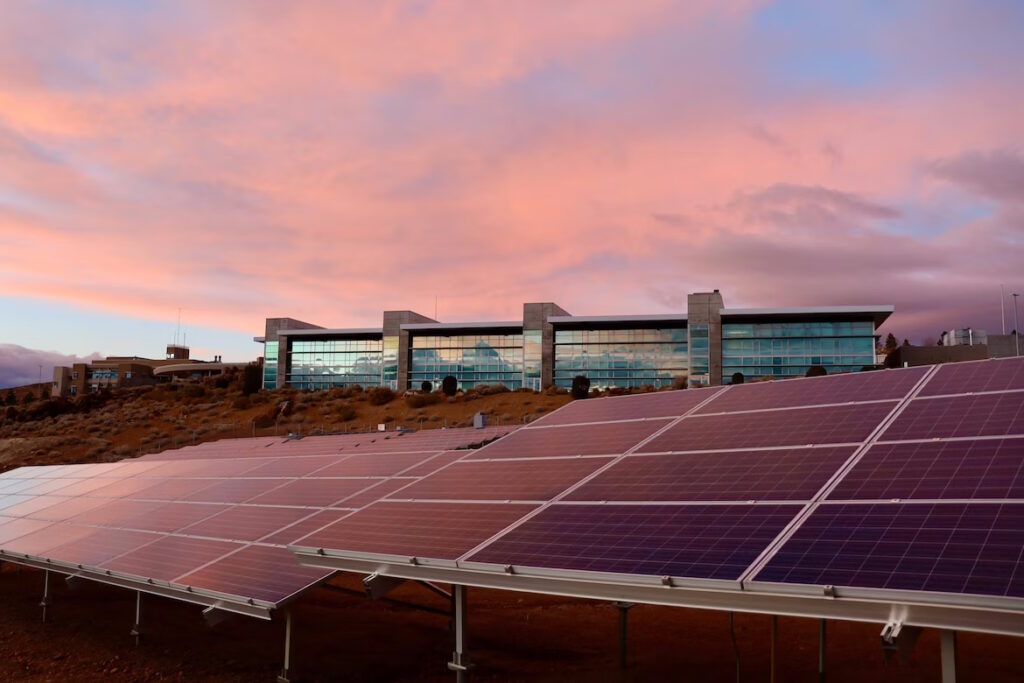
The current, primary challenge for most companies is finally achieving net-zero emissions. This is normally a long process with multiple stages involving steady, constant reductions of CO2 emissions. Some major players have already committed to achieving Net-Zero and have put out considerable action plans on how they will do it. While this list isn’t exhaustive, it demonstrates the diversity of industries looking to hit net-zero.
Best Practices for ESG Reporting
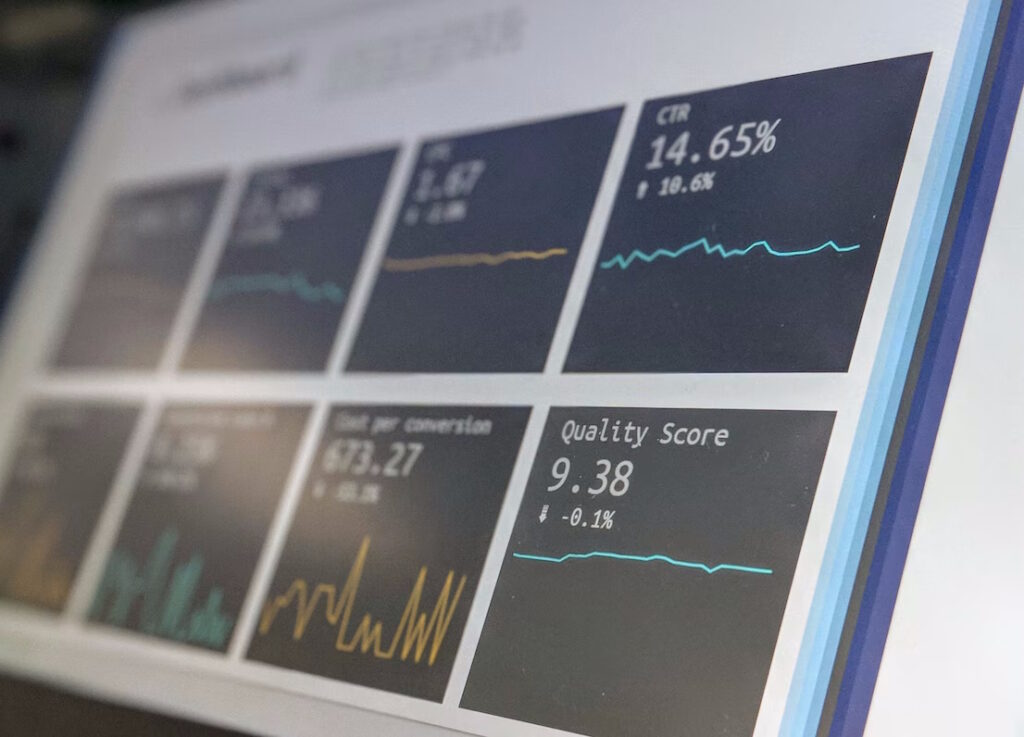
It’s not exactly a new development that companies need to show exactly how they are impacting their area of operations. Public and private scrutiny is growing and companies need to be on top of their ESG reporting to avoid reputational risks, fines, and other problems. To do this effectively businesses need to actually understand the best practices and develop detailed, data-driven strategy plans for how they will gather, verify and present this information.
The Economics of Net-Zero: The Costs and Benefits of Carbon Neutrality

It’s not a secret that companies need to decarbonize over the coming decades. Industry leaders are in an awkward position, where they must make far-reaching decisions in an ever-changing technological and legislative landscape. So it can be helpful to start from the basics and understand what will be needed, and what are the possible risks and rewards.
Net-Zero: Solar, Wind, and Hydro Power

How a company uses energy has long been a key issue in reaching net-zero operations. Up until recently, a lot of energy generation came with high carbon costs, forcing a company to compensate for it more. Despite existing for years, renewable energy is slowly gaining recognition as one of the best ways to actually power an operation while simultaneously limiting emissions. The three most common forms are solar, wind and hydro power, all created with the use of inexhaustible, natural processes.
Understanding ESG Scores
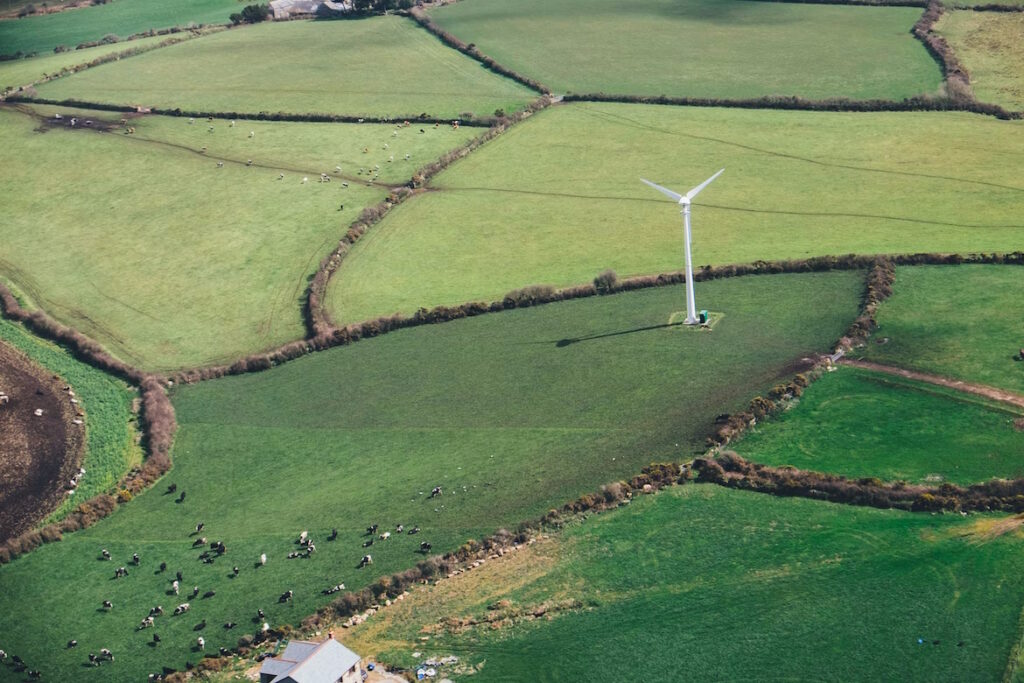
By this point, one would need to be living under several rocks to not know about the general push to decarbonize. More broadly, companies are coming under increasing scrutiny for how they conduct their business. This can range from governmental oversight, fines and regulation, to investors pulling finance because a company does not conduct itself well. ESG scores are the primary method used to assess companies, but what exactly does this number measure who measures it?
Net-Zero Policies: How Governments can encourage and support carbon reduction efforts

While individuals in general and businesses, in particular, can and must take steps to reduce their carbon footprint, governments also have an important role to play in supporting and encouraging carbon reduction efforts. Governments have the ability to use policy (the carrot) and regulations (the stick) to pressure businesses to do the right thing and not cut corners.
Net Zero agriculture: how farming practices can help reduce carbon emissions

The European markets are on a mission to conquer the ambitious decarbonization challenge outlined by the Paris Agreement. Businesses from various sectors operating in the region are being pushed to ramp up their efforts and reach the zero-emission target by 2050. The agriculture market is no exception, as the pollution from the sector is not to be underestimated. Agriculture is the most prominent industry in the world, while also being the leading source of pollution in many countries.
Net Zero Transportation: How Electric Cars, Buses, and Trucks Can Help Reduce Carbon Emissions

Even the best-meaning businesses will still end up generating emissions through the simple act of transportation. People need to get around, logistics have to keep operating and we have to drive from time to time. Despite many recent advancements, electric vehicles (EVs) are still the minority on the road. As the world decarbonizes, companies need to explore how to reduce the footprint caused by transportation and prepare for a future where the gas tank is replaced by battery capacity.
Net Zero Businesses: How Companies Can Reduce Their Carbon Footprint And Contribute To A Greener Future
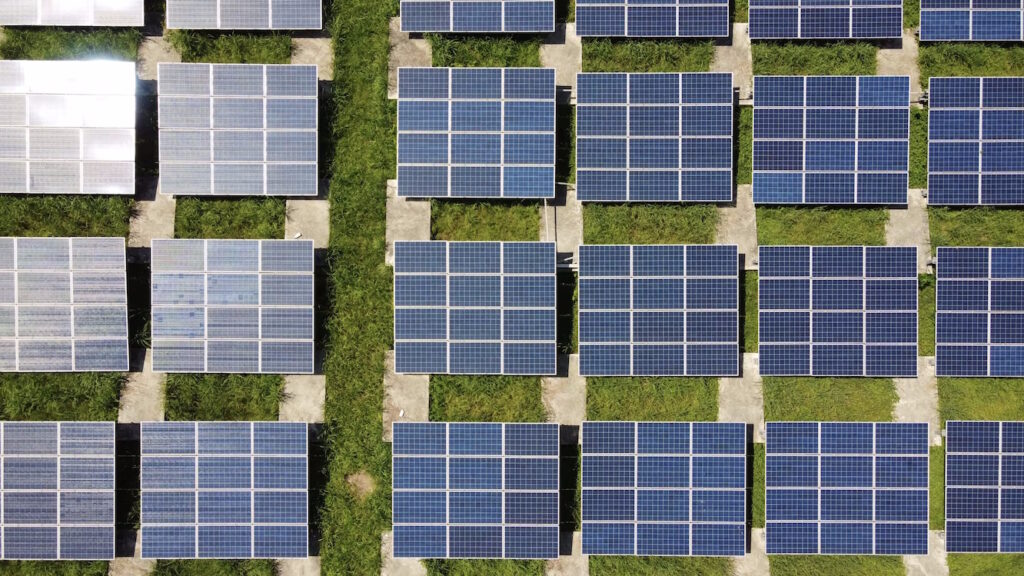
Governments, advocacy groups, and the general population are taking necessary steps to cut carbon emissions and reduce their carbon footprint. However, the role of businesses in reducing greenhouse gas emissions cannot be overemphasized since it is precisely manufacturing and logistics that end up causing the majority of emissions.
How the net-zero transition might look in different countries and regions

The world is at a critical juncture in the fight against climate change. With global temperatures continuing to rise and extreme weather events becoming more frequent and severe, there is an urgent need to reduce greenhouse gas emissions and transition to a low-carbon economy. The goal of achieving net-zero emissions by mid-century has been embraced by governments, businesses, and investors worldwide as a critical step in addressing the climate crisis. However, the path toward net-zero will not be the same for every country and region. Different countries and regions face unique challenges and opportunities in their transition to a low-carbon future, influenced by factors such as economic development, energy mix, and political priorities. In this blog post, we will explore how the net-zero transition would play out in different countries and regions, and examine the challenges and opportunities they face in the race to avert the worst effects of climate change.